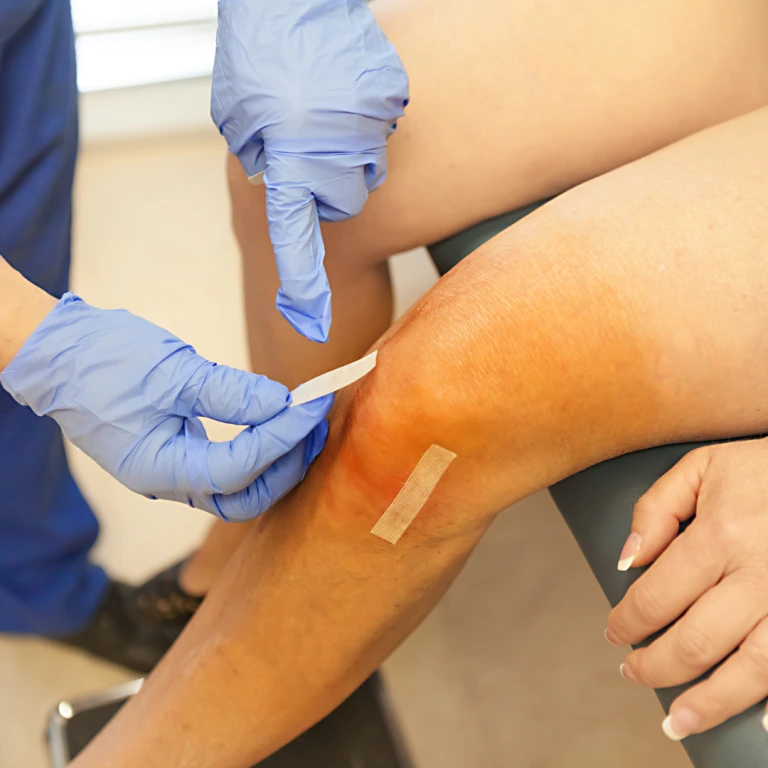
A trauma center provides immediate medical care to people who experience serious injuries due to accidents, falls, or other emergencies. These injuries may affect the bones, joints, spine, head, chest, abdomen, or other parts of the body. Quick diagnosis and timely treatment can reduce complications and help patients recover safely.
Choosing the right Trauma center in Bilaspur is important when a person needs emergency medical attention. A well-equipped facility with trained doctors, diagnostic services, and emergency care can assess the severity of an injury and determine the most appropriate treatment.
Trauma care focuses on stabilising the patient, identifying internal and external injuries, controlling bleeding, and preventing further damage. Depending on the patient’s condition, doctors may recommend medication, surgery, hospital observation, or rehabilitation.
Which Road Accident Injuries Are Treated at a Trauma Center in Bilaspur?
Road accidents can cause injuries ranging from minor cuts to life-threatening conditions. Motorcyclists, car occupants, cyclists, and pedestrians may suffer multiple injuries during a collision. A trauma care team assesses the patient’s condition and prioritises the most serious problems.
Common road accident injuries include:
- Bone fractures and dislocations
- Deep cuts and wounds
- Head and facial injuries
- Chest injuries and rib fractures
- Spinal injuries
- Internal bleeding and abdominal trauma
- Soft tissue damage
Doctors may use X-rays, CT scans, and other investigations when clinically necessary to identify hidden injuries. They may also provide wound care, pain management, fracture stabilisation, or emergency surgery.
Anyone who experiences a serious accident should seek immediate medical attention, even if the initial symptoms appear manageable. Internal injuries may not produce obvious signs immediately.
How Does a Trauma Center Treat Bone Fractures and Joint Injuries?
Fractures occur when excessive force breaks a bone. They commonly affect the arms, legs, wrists, ankles, ribs, and collarbone. Severe accidents can also cause complex fractures that damage nearby muscles, blood vessels, nerves, or joints.
An orthopaedic doctor examines the injured area and orders appropriate imaging tests to determine the type and severity of the fracture. Treatment depends on the location, alignment, and stability of the broken bone.
Doctors may recommend a cast, splint, brace, or other support for stable fractures. More complicated injuries may require surgery with plates, screws, rods, or other fixation devices. Joint dislocations also need prompt assessment and careful repositioning by a qualified medical professional.
Early treatment helps reduce pain, supports proper bone healing, and lowers the risk of long-term movement problems. Following medical advice and attending follow-up appointments also helps patients regain strength and mobility.
What Types of Spinal Injuries Require Emergency Treatment?
Spinal injuries can affect the vertebrae, spinal discs, ligaments, nerves, or spinal cord. They may result from road accidents, falls from heights, workplace incidents, or sports injuries. Some spinal injuries cause temporary pain, while others may lead to permanent nerve damage or paralysis.
A Spinal Injury Hospital in Bilaspur, Chhattisgarh should have the appropriate medical expertise and diagnostic facilities to evaluate spinal trauma and arrange timely treatment.
Common spinal injuries include:
- Vertebral fractures
- Spinal cord injuries
- Neck and back trauma
- Disc injuries associated with trauma
- Nerve compression caused by an injury
- Ligament damage around the spine
Doctors assess symptoms such as severe back pain, neck pain, weakness, numbness, or difficulty moving. They may recommend X-rays, CT scans, or MRI scans depending on the suspected injury.
Patients with suspected spinal trauma should avoid unnecessary movement until trained emergency personnel assess them. Emergency teams take precautions to protect the spine during transport and examination.
Treatment may involve immobilisation, medication, surgery, and rehabilitation. The medical team selects the approach according to the injury and the patient’s neurological condition.
How Are Head Injuries and Brain Trauma Managed?
Head injuries can occur when a person hits their head during a road accident, fall, or physical impact. These injuries range from scalp wounds and concussions to skull fractures and bleeding inside the skull.
Some symptoms appear immediately, while others develop over time. Warning signs include persistent or worsening headaches, repeated vomiting, confusion, seizures, loss of consciousness, and unusual drowsiness.
A doctor evaluates the patient’s neurological condition and determines whether imaging or specialist assessment is necessary. Severe head injuries may require close monitoring, emergency surgery, or intensive care.
Patients should receive urgent medical attention after a significant head injury, especially when they develop neurological symptoms. Prompt treatment can help identify serious complications and guide appropriate care.
What Chest and Abdominal Injuries Need Trauma Care?
High-impact accidents can damage the chest and abdominal organs. These injuries sometimes cause internal bleeding or breathing difficulties without producing obvious external wounds.
Chest injuries may include broken ribs, lung injuries, and damage to structures inside the chest. Abdominal trauma can affect organs such as the liver, spleen, kidneys, and intestines.
Doctors assess breathing, circulation, blood pressure, and other vital signs. They may use ultrasound, CT scans, blood tests, and other investigations to evaluate the extent of the damage.
Treatment depends on the severity of the injury. Some patients need observation and supportive care, while others require emergency procedures or surgery. Rapid assessment is essential when doctors suspect internal bleeding or damage to vital organs.
Can a Trauma Center Treat Cuts, Burns, and Soft Tissue Injuries?
Trauma centers also assess wounds and injuries affecting the skin, muscles, tendons, and other soft tissues. These injuries can result from road accidents, machinery, workplace incidents, or contact with hot substances.
Common examples include deep cuts, puncture wounds, muscle tears, crush injuries, and burns. Although some injuries appear minor, deep wounds may damage nerves or blood vessels and increase the risk of infection.
Doctors clean wounds, control bleeding, assess tissue damage, and determine whether stitches, dressings, surgery, or other treatment is necessary. They may also evaluate the patient’s tetanus vaccination status and recommend preventive care when appropriate.
Severe burns and complex soft tissue injuries may require specialised treatment or referral to a facility with the necessary expertise.
What Should You Look for When Choosing a Trauma Center in Bilaspur?
Choosing a trauma facility involves more than considering its location. Patients and families should look for services that match the seriousness of the injury.
Consider the following factors:
Emergency response: Check whether the facility provides emergency assessment and stabilisation for traumatic injuries.
Qualified medical professionals: Look for access to appropriately trained emergency physicians, orthopaedic specialists, and other relevant specialists.
Diagnostic facilities: Timely access to imaging and laboratory investigations can help doctors identify injuries accurately.
Surgical support: Severe trauma may require urgent surgical intervention, depending on the patient’s condition.
Rehabilitation services: Physiotherapy and rehabilitation can support recovery after fractures, spinal injuries, and other serious trauma.
Clear communication: Doctors should explain the diagnosis, available treatment options, expected recovery, and follow-up requirements.
Patients should also confirm which services the facility currently offers instead of assuming that every trauma center provides all specialist treatments.
How Does Rehabilitation Help Patients Recover After Trauma?
Treatment does not always end when doctors stabilise an injury or complete surgery. Many patients need rehabilitation to rebuild strength, improve flexibility, and regain independence.
A physiotherapist develops an exercise programme based on the patient’s injury, medical condition, and stage of recovery. Rehabilitation may include guided movement, strengthening exercises, balance training, posture correction, and mobility practice.
Patients recovering from spinal injuries or complex fractures should follow a medically approved rehabilitation plan. Starting exercises too early or placing excessive pressure on an injured area can delay healing.
Regular follow-up appointments help doctors monitor progress, identify complications, and adjust the recovery plan when necessary.
Why Should You Consider Mundra Hospital for Trauma-Related Medical Care?
When searching for a Trauma center in Bilaspur, patients should evaluate emergency access, available specialists, diagnostic support, surgical facilities, and follow-up care. These factors help families make informed decisions during stressful medical situations.
Mundra Hospital is a name patients may consider when exploring local healthcare options. Before choosing the facility for a specific traumatic injury, contact the hospital directly to confirm its emergency services, specialist availability, diagnostic facilities, and ability to manage the condition.
Patients seeking a Spinal Injury Hospital in Bilaspur, Chhattisgarh should also ask about spinal trauma assessment, orthopaedic expertise, surgical support, and rehabilitation services relevant to their needs.
For severe injuries, do not delay emergency treatment while comparing hospitals. Seek immediate medical assistance and allow qualified healthcare professionals to determine the safest course of action.
How Can You Prepare for a Trauma-Related Medical Emergency?
You cannot predict every accident, but you can take simple steps to respond more effectively. Keep emergency contact numbers accessible, know the nearest appropriate emergency facility, and provide medical professionals with accurate information about the incident.
If someone suffers a serious injury, check for immediate danger and contact emergency services. Avoid moving a person with suspected neck, back, or major limb injuries unless the surroundings present an immediate threat. Do not attempt to straighten broken bones or push exposed bone back into a wound.
A trauma center plays an important role in diagnosing and managing injuries quickly. By understanding the types of injuries that require emergency care and knowing what to look for in a healthcare facility, families can make better-informed decisions.
Mundra Hospital can be included in your local healthcare research, but always verify the services available for your particular injury before making a non-emergency treatment decision.