The Autoimmune Protocol Diet (AIP) is often described as a more targeted and healing-focused version of the Paleo diet. While both emphasize whole, nutrient-dense foods and the elimination of processed ingredients, the AIP takes it a step further to help those struggling with autoimmune diseases and chronic inflammation. Understanding how these two diets differ can help you make informed choices about your health and nutrition journey.
Understanding the Basics of Paleo
The Paleo diet is inspired by the eating habits of our ancestors during the Paleolithic era. It eliminates modern processed foods, grains, legumes, dairy, and refined sugars. The focus is on consuming meats, fish, fruits, vegetables, nuts, and seeds—foods that could theoretically be hunted or gathered in ancient times. The goal is to eat naturally and avoid ingredients that can trigger inflammation or gut issues.
Many people following the Paleo diet report increased energy, improved digestion, and better weight management. However, for individuals with autoimmune diseases, the Paleo diet alone may not be restrictive enough to reduce immune system flare-ups or promote gut healing.
The Autoimmune Protocol Diet: A Targeted Healing Approach
The Autoimmune Protocol Diet is a more structured and therapeutic version of Paleo, designed to identify and remove foods that could irritate the gut, trigger inflammation, or activate the immune system. It’s often used by individuals dealing with conditions like rheumatoid arthritis, lupus, Hashimoto’s thyroiditis, or psoriasis.
A key difference lies in the elimination phase. While Paleo eliminates grains and legumes, the AIP goes further by removing:
- Nightshades (tomatoes, potatoes, peppers, eggplant)
- Nuts and seeds
- Eggs
- Coffee and alcohol
- Certain spices derived from seeds (like cumin or mustard)
- Food additives and emulsifiers
This phase typically lasts between 30 and 90 days, giving your body a chance to heal and your immune system an opportunity to calm down. Afterward, foods are slowly reintroduced one at a time to determine which ones your body tolerates well.
How the AIP Focuses on Gut Health
The AIP’s primary goal is to restore gut integrity. Autoimmune conditions are closely linked to “leaky gut syndrome,” where the intestinal lining becomes damaged, allowing harmful substances to enter the bloodstream. By removing irritants and emphasizing nutrient-dense, healing foods, the AIP helps strengthen the gut barrier and reduce immune overactivity.
Foods encouraged in the AIP include:
- Organ meats and bone broth (rich in collagen and amino acids)
- Fermented foods like sauerkraut and kombucha
- Leafy greens and colorful vegetables
- Wild-caught fish and grass-fed meats
- Healthy fats from avocados and coconut oil
This combination supports the body’s natural repair mechanisms, boosts energy levels, and helps stabilize inflammation.
AIP Protein Powder: The Modern Supplement for Healing
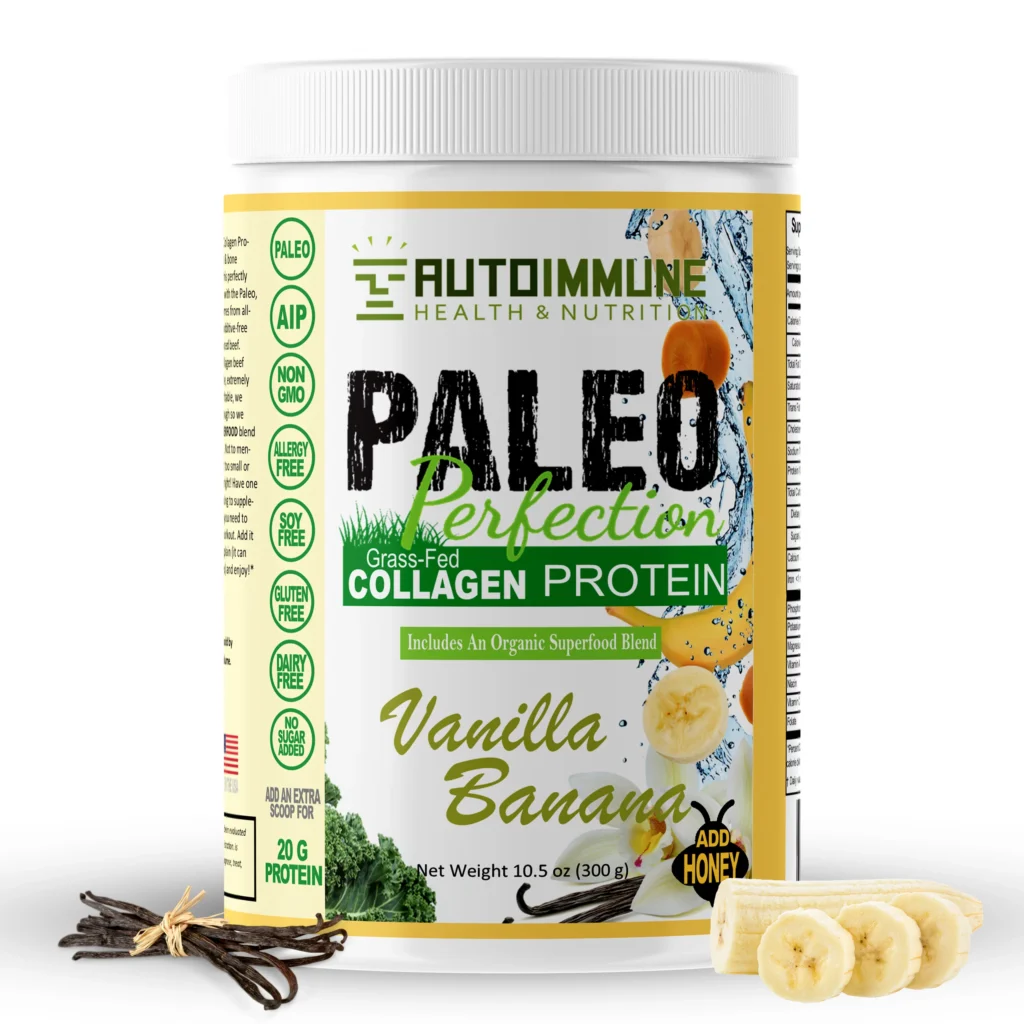
For individuals following the Autoimmune Protocol Diet, finding suitable supplements can be a challenge since many conventional protein powders contain additives, artificial sweeteners, or seed-based ingredients that are not AIP-compliant. That’s where AIP Protein Powder comes in—it provides a clean, allergen-free source of protein to support muscle repair and overall wellness without triggering autoimmune responses.
A good AIP Protein Powder is typically made from sources like collagen peptides or grass-fed beef protein. It avoids dairy, soy, grains, and legumes, aligning perfectly with AIP standards. This makes it an excellent option for people who need additional protein while maintaining gut health and managing inflammation.
Comparing Paleo and AIP: The Key Differences
| Aspect | Paleo Diet | Autoimmune Protocol Diet |
| Purpose | General health and fitness | Autoimmune healing and inflammation control |
| Foods Eliminated | Grains, legumes, dairy, refined sugar | Paleo exclusions + nightshades, eggs, nuts, seeds, coffee, alcohol |
| Focus | Balanced nutrition, natural eating | Gut healing, immune regulation |
| Phases | No specific elimination/reintroduction | Strict elimination followed by gradual reintroduction |
| Supplements | Allows most protein powders | Only AIP-compliant supplements like AIP Protein Powder |
In essence, Paleo is a lifestyle diet focusing on clean eating, while AIP is a therapeutic protocol aimed at restoring balance within the immune system.
The Role of Autoimmune Health & Nutrition
Brands like Autoimmune Health & Nutrition have made it easier for individuals to follow the AIP lifestyle by offering specialized products and guidance. Their range includes clean supplements, AIP Protein Powder, and nutrient-dense snacks formulated to meet AIP standards. With a focus on transparency and ingredient integrity, Autoimmune Health & Nutrition helps people make dietary transitions smoothly while supporting long-term wellness goals.
The Emotional and Lifestyle Benefits
Switching to the AIP can feel restrictive at first, but many find it to be life-changing. Once inflammation reduces and symptoms subside, energy returns, sleep improves, and mental clarity increases. It’s not just about food; it’s about regaining control of your health. By focusing on nourishment instead of deprivation, individuals learn to appreciate how their bodies respond to different foods.
Moreover, the reintroduction phase empowers people to build a personalized diet based on what works best for their unique biology. This self-awareness can be transformative, turning food into medicine rather than a source of stress.
Final Thoughts
The difference between Paleo and the Autoimmune Protocol Diet lies in intention and depth. Paleo is about eating naturally and avoiding processed foods, while AIP is about identifying and removing immune triggers to promote deep healing. By incorporating supportive products like AIP Protein Powder and guidance from trusted brands such as Autoimmune Health & Nutrition, you can create a sustainable, healing-focused lifestyle that supports both your gut and immune system.