In today’s rapidly evolving real estate landscape, efficiency, accuracy, and transparency are more important than ever. Developers, inspectors, and property managers are all under increasing pressure to deliver high-quality results while minimizing delays and reducing human errors. As construction projects grow more complex and client expectations rise, traditional manual inspection methods are no longer enough to maintain competitive standards. This is where advanced digital inspection solutions—particularly Snagging Inspection Software and Property Inspection Software—are changing the game.
For years, property inspection processes relied heavily on manual note-taking, spreadsheets, and physical documentation. While these methods worked in simpler times, they often led to errors, communication gaps, lost paperwork, and significant delays in resolving site issues. Now, leading-edge solutions provided by companies like Inspecta Mate are helping industry professionals streamline their work by digitizing inspection workflows from start to finish.
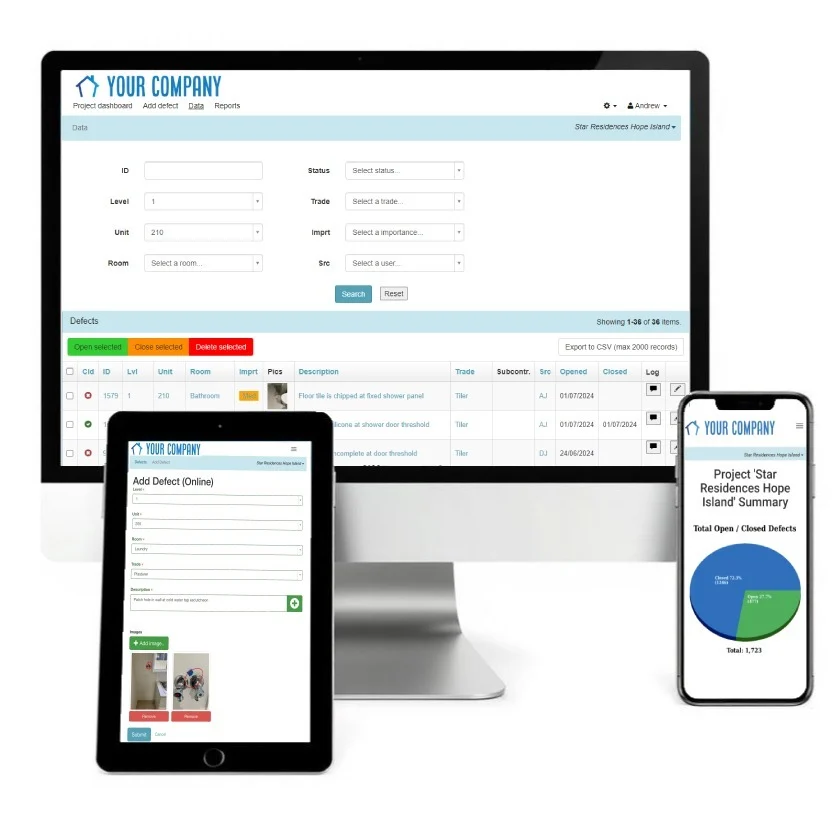
One of the biggest advantages of using modern Snagging Inspection Software is its ability to simplify the defect-identification process. Snagging, a crucial step in construction and handover stages, involves detecting and documenting issues that need to be corrected before a project is marked complete. With digital platforms, inspectors can capture photos, record notes, assign tasks, and generate instant reports—all from a mobile device. This not only reduces the time spent on inspections but also ensures that every snag is documented accurately and consistently.
Moreover, digital snagging systems allow team members to collaborate seamlessly. Instead of passing paper reports back and forth or sending long email chains, stakeholders can access all snagging information in a centralized dashboard. Contractors can receive instant notifications about assigned tasks, track progress, and update completion statuses in real time. This level of transparency improves accountability and reduces the likelihood of unresolved issues resurfacing during client walkthroughs.
In the broader property management sector, Property Inspection Software has become indispensable. Property managers overseeing residential, commercial, or industrial spaces must regularly conduct inspections to ensure compliance, safety, and maintenance standards. Manual inspection forms can easily become outdated, inconsistent, or misplaced, leading to costly oversights. Digital inspection tools eliminate these problems by allowing managers to standardize their checklist templates, automate scheduling, and record detailed, timestamped inspectors’ notes.
One notable benefit of advanced inspection technology is improved reporting. High-quality, automatically generated reports not only save time but also present data in a clear, professional format. Whether it’s a pre-handover inspection, safety compliance review, or routine maintenance check, digital reports help stakeholders make faster and more informed decisions. They also serve as legally reliable documentation that can be stored for years without risk of loss or damage.
Additionally, digital inspection platforms often integrate analytics features that help users identify recurring issues, track asset performance, and evaluate contractor reliability. By reviewing historical data, businesses can proactively address problem areas, optimize maintenance schedules, and improve overall operational efficiency. This data-driven approach is invaluable for large property portfolios that require consistent oversight.
Another key advantage of digital inspection tools is mobility. Modern inspectors frequently work in challenging environments—remote sites, large buildings, or fast-moving construction zones. Mobile-friendly Property Inspection Software allows them to capture information instantly without waiting to return to an office workstation. Offline functionality further ensures that inspections can continue even without internet access, with data syncing automatically once connectivity is restored.
The real estate and construction industries are also seeing the benefits of integrating inspection software with other systems such as project management tools, customer relationship management (CRM) platforms, and asset-tracking databases. This interconnected ecosystem reduces redundancy and helps create a seamless workflow, allowing organizations to operate more efficiently and deliver higher-quality results.
It’s important to note that digital inspection tools not only boost productivity but also enhance professionalism and trust with clients. Clear, organized, and visually rich reports demonstrate a company’s commitment to accuracy and quality control. In an industry where reputation can determine long-term success, having the right tools to deliver consistent results makes a significant impact.
Businesses like Inspecta Mate offer customizable solutions that cater to various sectors, including real estate developers, builders, surveyors, and property managers. Their platforms help teams standardize processes, reduce paperwork, and gain real-time oversight, ultimately leading to better project outcomes and higher customer satisfaction.
As the industry continues to embrace digital transformation, professionals who adopt advanced Snagging Inspection Software and Property Inspection Software will be better equipped to handle future challenges. These tools not only enhance efficiency but also support long-term growth by enabling more accurate, transparent, and data-driven inspections.
In conclusion, the adoption of modern inspection technologies is no longer a future trend—it is a present necessity. Organizations that leverage these digital tools will experience improved workflows, better communication, and higher-quality deliverables. The shift from manual processes to smart, automated inspection solutions represents a major step forward for the real estate and construction industries, ensuring that quality and accountability remain at the forefront of every project.