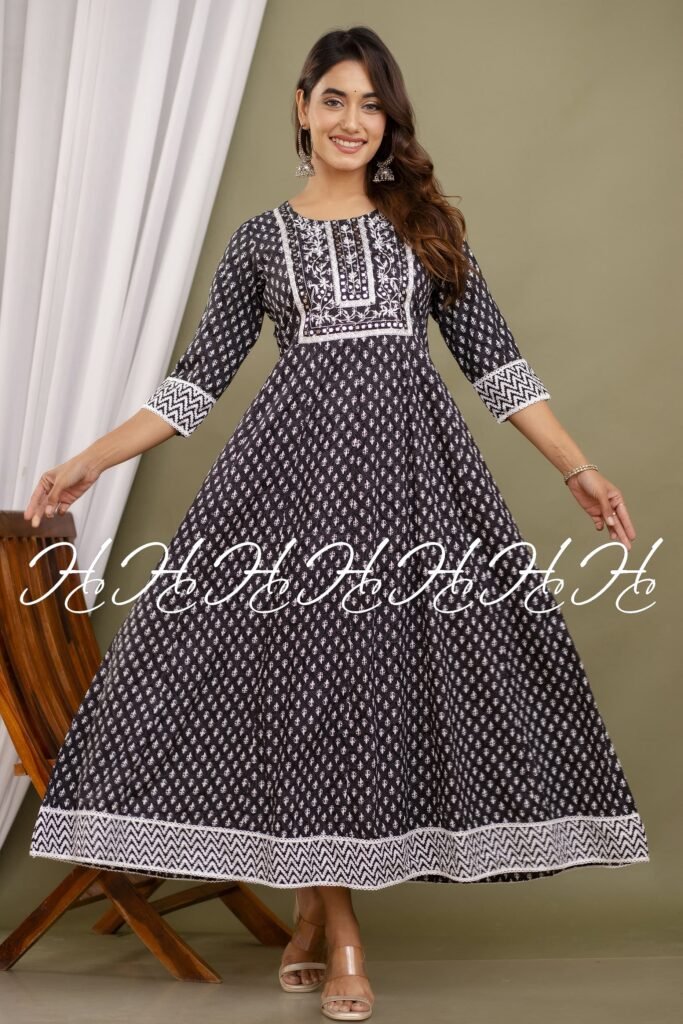
As Indian ethnic wear gains global popularity, kurti manufacturers are increasingly catering to international buyers. From boutique owners in the US to wholesalers in the Middle East and Europe, the demand for Indian kurtis—especially Anarkali styles—continues to grow. To meet this demand, manufacturers must manage not only production but also complex international shipping and compliance requirements. Here’s a clear, practical look at how kurti manufacturers handle global logistics while staying compliant with international trade regulations.
Understanding Export Readiness in the Kurti Industry
Before accepting international orders, kurti manufacturers prepare themselves for export operations. Leading units, including every reputed anarkali kurti factory Jaipur, register with export authorities and obtain essential documentation such as Import Export Code (IEC) and GST registration. These steps allow manufacturers to legally ship products outside India and issue compliant invoices to overseas buyers.
Export-ready manufacturers also align their internal processes—inventory tracking, packaging, labeling, and documentation—so that international shipping becomes smooth and predictable.
Selecting the Right Shipping Method
Kurti manufacturers choose shipping methods based on order volume, destination country, and delivery timelines. For small or sample orders, they usually rely on express courier services like DHL, FedEx, or UPS. These services offer faster delivery, end-to-end tracking, and simplified customs handling.
For bulk orders, most wholesale kurti manufacturers in Jaipur prefer air cargo or sea freight. Air cargo suits mid-sized orders that need faster delivery, while sea freight works best for large consignments where cost efficiency matters more than speed. Manufacturers often guide buyers on the best option, balancing transit time and shipping costs.
Professional Packaging for Global Transit
International shipping demands sturdy and compliant packaging. Kurti manufacturers pack garments in moisture-resistant polybags and place them in export-grade cartons. They label each carton clearly with product descriptions, HS codes, country of origin, and buyer details.
An experienced anarkali kurti factory Jaipur ensures that packaging meets the destination country’s standards. Proper packaging reduces the risk of damage, delays, or rejection at customs checkpoints.
Managing Customs Documentation Accurately
Customs compliance plays a critical role in international shipping. Kurti manufacturers prepare all mandatory export documents, including commercial invoices, packing lists, shipping bills, and certificates of origin when required. Some countries also demand fabric composition details or specific labeling information.
By maintaining accurate paperwork, manufacturers help buyers avoid unnecessary customs holds or penalties. Established wholesale kurti manufacturers in Jaipur often have in-house export teams or logistics partners who double-check documentation before shipment.
Compliance With Textile and Import Regulations
Different countries enforce different textile regulations. Kurti manufacturers stay updated on these rules to ensure smooth clearance. For example, some markets require azo-free dyes, while others enforce strict labeling norms related to fabric content and care instructions.
Export-oriented manufacturers source compliant raw materials and use approved dyes to meet international safety standards. A reliable anarkali kurti factory Jaipur tests fabrics and maintains supplier transparency, which builds trust with overseas buyers and import authorities alike.
Partnering With Freight Forwarders and Clearing Agents
To simplify the export process, kurti manufacturers collaborate with experienced freight forwarders and customs clearing agents. These professionals manage shipping schedules, cargo consolidation, customs filing, and coordination with airlines or shipping lines.
Wholesale kurti manufacturers in Jaipur benefit from long-term partnerships with logistics providers, which helps them negotiate better freight rates and resolve issues quickly. This collaboration allows manufacturers to focus on production while experts handle compliance and transit challenges.
Handling Duties, Taxes, and Buyer Preferences
International buyers often want clarity on duties and taxes. Kurti manufacturers usually ship orders under agreed incoterms such as FOB, CIF, or DDP. These terms define who pays for freight, insurance, and import duties.
Many wholesale kurti manufacturers in Jaipur explain these options clearly before confirming orders. Transparent communication helps buyers plan their costs and prevents disputes during delivery.
Ensuring Quality Checks Before Dispatch
Before shipping internationally, manufacturers conduct final quality inspections. They verify stitching, sizing, embroidery, and finishing to ensure products match approved samples. This step reduces the chances of returns, which can be costly and complicated in international trade.
An established anarkali kurti factory Jaipur treats quality control as part of compliance. Many overseas buyers associate consistent quality with professionalism and regulatory reliability.
Providing Tracking and Post-Shipment Support
After dispatch, kurti manufacturers share tracking details and shipping documents with buyers. They stay available to resolve customs queries or coordinate with logistics partners if delays occur.
Wholesale kurti manufacturers in Jaipur understand that international buyers value responsiveness. Post-shipment support strengthens long-term relationships and encourages repeat orders.
Building Trust Through Compliance and Transparency
International shipping is not just about moving goods across borders—it’s about building credibility. Kurti manufacturers who invest in compliance, documentation accuracy, and reliable logistics gain a competitive edge in global markets.