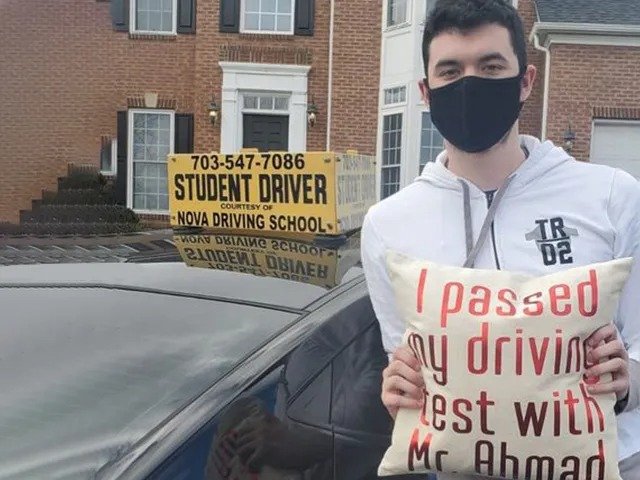
Getting a driver’s license is an exciting milestone for teenagers, but it does not mean complete freedom on the road right away. States across the U.S. have implemented graduated licensing systems to ensure that young drivers gain experience safely. These systems place certain restrictions on teens even after they receive their license. Understanding these rules is essential for both teens and parents, especially when enrolling in programs like a Teenager Behind the Wheel License Leesburg or a Teens License Course Leesburg.
In this article, we will explore the most common restrictions placed on teenage drivers and explain why they are important for safety and skill development.
Why Are Restrictions Placed on Teenage Drivers?
Teen drivers are more likely to be involved in accidents compared to experienced drivers. This is mainly due to inexperience, distraction, and sometimes overconfidence. Licensing authorities use restrictions to reduce these risks while teens continue to build their driving skills.
Programs like the Teenager Behind the Wheel License Leesburg focus on preparing students for real-world driving situations, but restrictions ensure that learning continues even after passing the test.
Common Restrictions for Teenage Drivers
1. Passenger Limitations
Many states limit the number of passengers a teen driver can carry, especially during the first months of driving. Typically, teens may only drive with immediate family members or one non-family passenger.
This rule exists because having multiple passengers can be distracting. Teen drivers are more likely to engage in conversations or risky behavior when friends are present. A structured Teens License Course Leesburg teaches students how to stay focused, but real-world limitations reinforce that discipline.
2. Night Driving Restrictions
Another common rule is limiting driving during late-night hours. For example, teens may not be allowed to drive between midnight and 4 a.m. unless they are traveling for school, work, or emergencies.
Night driving is riskier due to reduced visibility and a higher chance of encountering impaired drivers. By restricting nighttime driving, authorities help teens avoid high-risk situations until they gain more experience.
3. Mobile Phone and Device Restrictions
Teen drivers are often prohibited from using mobile phones while driving, even hands-free devices in some states. Texting, calling, or using apps behind the wheel is strictly banned.
Driver education programs like those offered by Nova Driving School VA emphasize the dangers of distracted driving. These restrictions reinforce what teens learn in class and encourage safer habits from the beginning.
4. Mandatory Seat Belt Use
While seat belt laws apply to all drivers, they are strictly enforced for teenagers. In many areas, every passenger in a vehicle driven by a teen must wear a seat belt.
This rule promotes responsibility and ensures that teen drivers prioritize safety for themselves and others. During a Teenager Behind the Wheel License Leesburg course, instructors often stress the importance of enforcing seat belt use among passengers.
5. Zero Tolerance for Alcohol
Teen drivers are subject to strict zero-tolerance laws regarding alcohol. Even a small amount of alcohol in their system can lead to severe penalties, including license suspension.
This restriction is critical because alcohol significantly impairs judgment and reaction time. Programs like Nova Driving School VA educate teens about the serious consequences of impaired driving, both legally and physically.
6. Supervised Driving Requirements (Initial Phase)
Some newly licensed teens must drive under supervision for a certain period before gaining full privileges. This may involve driving with a parent, guardian, or licensed adult.
Although teens complete training through a Teens License Course Leesburg, supervised driving allows them to apply their knowledge in real-life situations with guidance.
How Long Do These Restrictions Last?
Restrictions typically last for a set period, such as 6 to 12 months, depending on state laws. After this probationary phase, teens can graduate to a full, unrestricted license—provided they maintain a clean driving record.
Safe driving behavior during this period is crucial. Violations can extend restrictions or result in penalties.
The Role of Driver Education Programs
Building Confidence and Skills
A structured program like a Teenager Behind the Wheel License Leesburg course provides hands-on experience that helps teens become confident drivers. These courses cover essential skills such as:
- Defensive driving techniques
- Road sign recognition
- Hazard awareness
- Parking and maneuvering
Reinforcing Safe Driving Habits
A Teens License Course Leesburg does more than prepare students for a test. It builds long-term habits that align with post-license restrictions. Teens learn why rules exist and how to follow them effectively.
Why Parents Should Stay Involved
Even after teens receive their license, parental involvement remains important. Parents should:
- Monitor driving behavior
- Set additional family rules if necessary
- Encourage safe and responsible driving habits
Combining parental guidance with professional training from Nova Driving School VA creates a strong foundation for safe driving.
Consequences of Ignoring Restrictions
Ignoring post-license restrictions can lead to serious consequences, including:
- Fines and penalties
- Points on the driving record
- License suspension
- Increased insurance costs
More importantly, violating these rules increases the risk of accidents, which can have life-changing effects.
Final Thoughts
Yes, there are several restrictions for teenage drivers after getting licensed, and they play a vital role in ensuring safety on the road. These rules are not meant to limit freedom but to provide a structured transition from beginner to experienced driver.