A successful tattoo studio depends on a combination of artistic creativity, technical knowledge, and carefully selected equipment. From the machine an artist holds to the needles and power accessories used during professional work, every component should meet appropriate standards for quality, compatibility, and hygiene.
With numerous products and designs available, understanding the differences between equipment categories can make the selection process easier. Artists should consider their working preferences, technical requirements, and long-term equipment needs rather than relying exclusively on promotional descriptions. This guide explores important tattoo equipment categories and explains what professionals should consider when researching studio supplies.
1. Understanding Professional Tattoo Equipment
Choosing dependable equipment is an important part of maintaining a professional studio. professional tattoo machines are available in different designs, with variations in motor technology, construction materials, grip shape, and weight.
A suitable machine should have clear technical documentation and be compatible with the accessories intended for use. Artists should also consider maintenance requirements, manufacturer support, warranty conditions, and replacement-part availability.
The term Tattoo Machines Professional covers different equipment styles designed for professional tattooing environments. Since individual products have different specifications, comparing manufacturers and models is more useful than assuming that every machine in this category offers the same characteristics.
2. Exploring Rotary Machine Technology
A rotary tattoo machine uses a motor-driven mechanism to create needle movement. This operating principle differs from the electromagnetic mechanism used in traditional coil machines.
The broader term rotary machine describes equipment that relies on rotary motor technology. Designs can vary in their motor systems, housing, weight distribution, and construction.
A tattoo rotary machine should be evaluated according to its intended application, technical specifications, and compatibility with approved accessories. Professional buyers should review manufacturer instructions carefully before choosing a model.
Understanding these differences can help artists make informed comparisons and avoid selecting equipment based only on appearance or general marketing claims.
3. Pen-Style Machines and Their Features
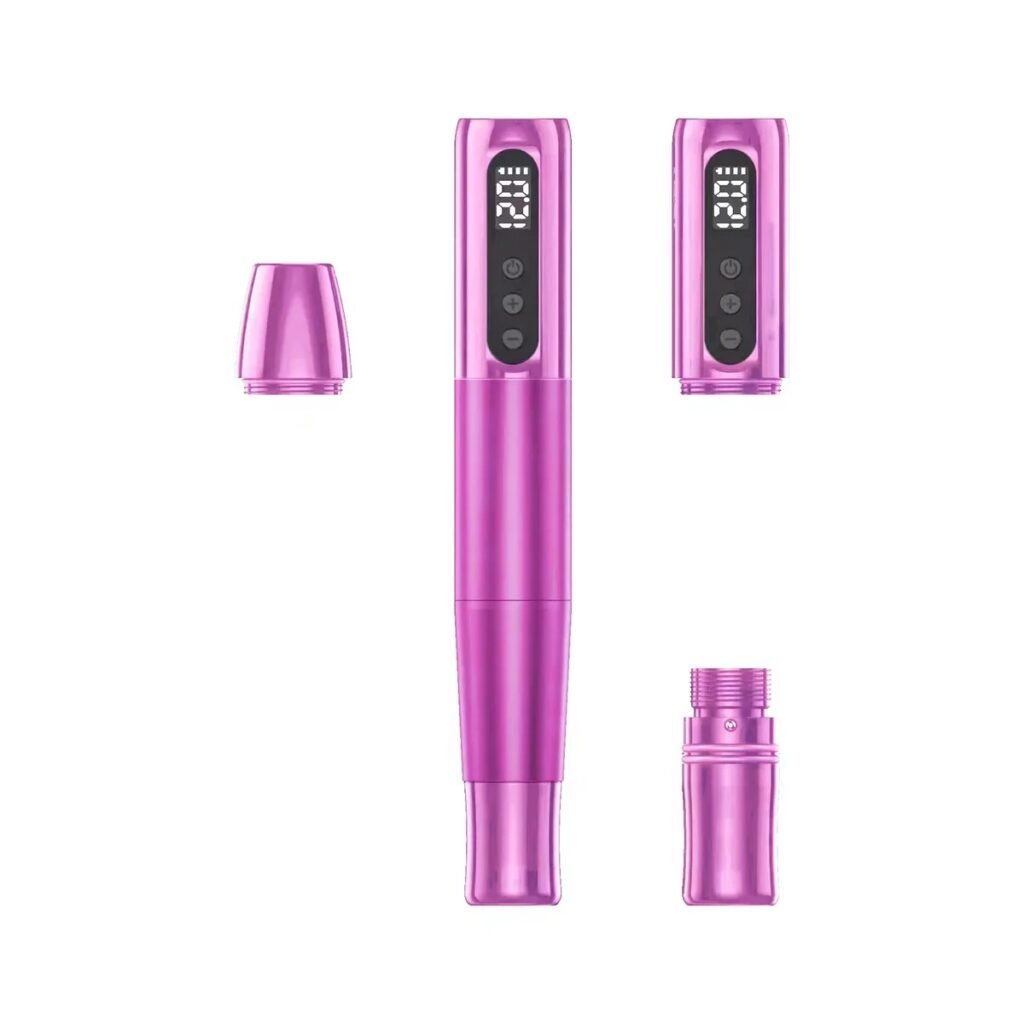
Pen-style equipment is recognized for its elongated body and handheld format. A tattoo pen is generally designed around a grip that resembles a conventional writing instrument.
A tattoo pen machine may feature an integrated motor and a connection system designed for compatible cartridges. However, different manufacturers use different designs, so product specifications should always be reviewed.
The expression pen tattoo machine is another common way to describe this category. Although the terminology may be similar, products can differ in construction, dimensions, and accessory compatibility.
A wireless tattoo pen uses a battery-powered arrangement rather than requiring a conventional external power cable throughout operation. When comparing these devices, artists should consider battery capacity, charging time, weight, and the manufacturer’s approved accessories.
4. Choosing the Best Tattoo Pen Machine
Finding the best tattoo pen machine depends on individual preferences and professional requirements. A machine that suits one artist may not provide the same experience for another.
Before making a decision, consider:
- Comfort and balance: Evaluate the grip and overall weight.
- Construction quality: Review materials and durability information.
- Compatibility: Confirm which cartridges and accessories are supported.
- Technical documentation: Check operating instructions and specifications.
- After-sales service: Review warranty coverage and maintenance support.
These factors provide a more reliable foundation for equipment evaluation than promotional claims alone.
5. Understanding Tattoo Needle Options
Needles are among the most important components in a tattoo setup. tattoo needles are available in different groupings and arrangements for different professional applications.
For example, shading needles are commonly associated with tonal work and transitions in tattoo artwork. Their configuration and characteristics depend on the specific grouping and manufacturer.
When evaluating the best tattoo needles, artists should look for consistent manufacturing, appropriate sterile packaging, clear product identification, and compatibility with the selected equipment.
Needle selection should be based on professional training and manufacturer guidance. Proper handling and hygiene are essential regardless of the needle type selected.
6. Cartridge Systems and Compatibility
Many contemporary machines use cartridge-based needle systems. tattoo needle cartridges combine a needle assembly with a housing designed to work with compatible equipment.
The best tattoo needle cartridges should include clear specifications, traceable manufacturing details, and appropriate sterile packaging. Buyers should verify the cartridge connection because different systems are not necessarily interchangeable.
Artists must follow the machine manufacturer’s compatibility guidance. Single-use cartridges should never be reused and must be disposed of according to established infection-control procedures.
7. Wireless Power Supply Considerations
Power accessories also influence how a studio organizes its equipment. A wireless tattoo power supply may be integrated into a machine or provided as a compatible battery attachment.
A wireless power supply can reduce the need for external cables, but it introduces other considerations. Battery capacity, charging time, output specifications, overall weight, and compatibility should all be reviewed before selecting a system.
Following the manufacturer’s operating instructions and inspecting batteries and charging accessories regularly are important parts of responsible equipment management.
8. Researching Tattoo Machines for Sale
When exploring Tattoo Machines For Sale, professional buyers should consider more than the advertised price. Authenticity, construction quality, technical specifications, warranty terms, and customer support are all relevant factors.
A specialist supplier such as inkclaw may be included in the research process when comparing tattoo equipment categories. However, buyers should independently verify product details, manufacturer information, compatibility, and safety documentation before making purchasing decisions.
Comparing multiple products within the same category can help identify meaningful differences and provide a clearer understanding of long-term equipment requirements.
9. Maintaining Hygiene and Professional Standards
Good equipment management must always include appropriate hygiene practices. Tattoo artists should maintain clean workspaces, follow established infection-prevention procedures, and use sterile single-use supplies where required.
Reusable equipment should be cleaned and processed according to applicable professional standards and manufacturer instructions. Proper training in contamination prevention, safe handling, and waste disposal is also essential.
The second mention of inkclaw reinforces the importance of evaluating supplier information alongside reliable product documentation and responsible studio practices.
Conclusion
Selecting tattoo equipment requires an understanding of machine designs, needle configurations, cartridge compatibility, and power technology. From professional tattoo machines to wireless accessories, each component should be assessed according to quality, suitability, and professional requirements.
By researching technical specifications, comparing reliable product information, and maintaining consistent hygiene standards, tattoo artists can make better-informed decisions about their studio equipment. A thoughtful approach to purchasing and maintenance supports responsible and professional tattooing practices.