Wood veneer has become one of the most popular materials in furniture making, interior decoration, cabinetry, and woodworking projects. It offers the elegant appearance of natural wood while being more cost-effective and versatile than solid timber. However, achieving a smooth and durable finish depends heavily on choosing the right wood veneer glue and understanding which product works as the best adhesive for veneer applications.
Whether you are a professional carpenter, furniture manufacturer, or DIY enthusiast, selecting the proper adhesive is essential for creating strong bonds, preventing peeling, and ensuring long-lasting results.
What Is Wood Veneer?
Wood veneer is a thin layer of natural wood that is applied to surfaces such as plywood, MDF, particleboard, or furniture panels. Veneers are commonly used because they provide the appearance of premium hardwood while reducing material costs.
Wood veneer is widely used for:
- Furniture manufacturing
- Kitchen cabinets
- Interior wall panels
- Doors and wardrobes
- Decorative surfaces
- Office furniture
The quality of the adhesive used during installation directly affects the durability and appearance of the final product.
Why Choosing the Right Wood Veneer Glue Matters
Selecting the correct wood veneer glue is one of the most important steps in any veneering project. A poor-quality adhesive can lead to bubbling, cracking, peeling, or uneven bonding over time.
The right glue helps ensure:
- Strong adhesion
- Smooth surface finishing
- Moisture resistance
- Heat resistance
- Long-lasting durability
- Easy application
A high-quality adhesive also improves the overall appearance and lifespan of veneered furniture and decorative surfaces.
Types of Adhesives Used for Veneer
There are several types of adhesives commonly used in veneer applications. Each option offers different advantages depending on the project requirements.
PVA Glue (Polyvinyl Acetate)
PVA glue is one of the most widely used veneer adhesives because it is easy to apply and dries relatively quickly.
Advantages
- Affordable
- Easy cleanup
- Good bonding strength
- Suitable for indoor projects
Best Uses
- Furniture repair
- Decorative veneer panels
- DIY woodworking projects
Contact Cement
Contact cement is often used for large veneer surfaces because it creates an instant bond when both surfaces come into contact.
Advantages
- Fast application
- No clamping required
- Suitable for large surfaces
Best Uses
- Countertops
- Large panels
- Commercial furniture applications
Urea Formaldehyde Glue
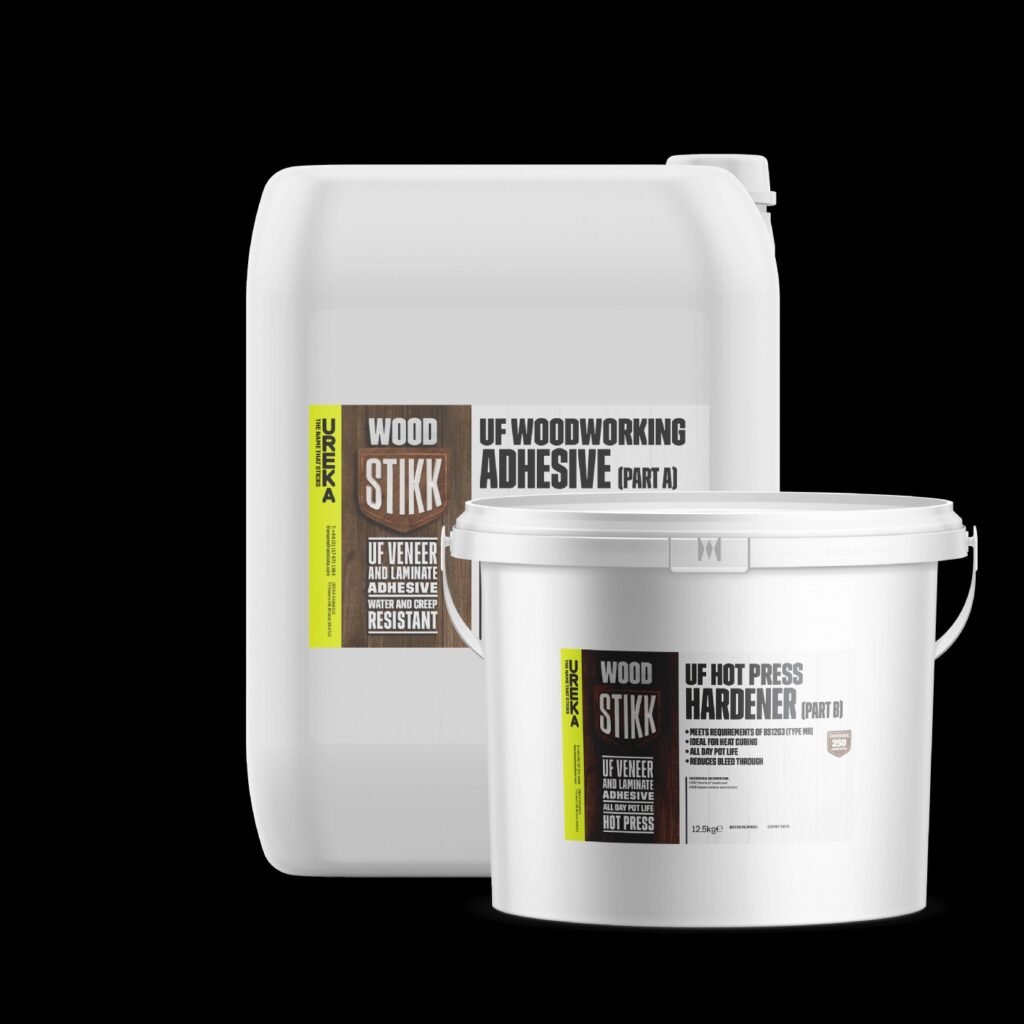
This adhesive is commonly used in professional woodworking and industrial furniture manufacturing.
Advantages
- Strong and durable bond
- Excellent heat resistance
- Minimal shrinkage
Best Uses
- High-quality cabinetry
- Commercial veneer pressing
- Professional woodworking projects
Epoxy Adhesive
Epoxy adhesives are known for their exceptional bonding strength and moisture resistance.
Advantages
- Waterproof properties
- High durability
- Strong structural bond
Best Uses
- Marine applications
- Exterior veneer projects
- Heavy-duty furniture work
What Is the Best Adhesive for Veneer?
Choosing the best adhesive for veneer depends on several important factors, including project type, surface material, environmental conditions, and application method.
For many indoor furniture projects, PVA glue remains a popular and practical option due to its ease of use and affordability.
For professional woodworking and large commercial applications, urea formaldehyde glue is often preferred because of its strength and long-term stability.
Contact cement works well for quick installations, while epoxy adhesives are ideal for projects exposed to moisture or extreme conditions.
Factors to Consider When Choosing Veneer Adhesive
Type of Project
Different projects require different bonding strengths and durability levels.
Indoor Furniture
PVA glue is often suitable for standard indoor furniture applications.
High-Moisture Areas
Epoxy or moisture-resistant adhesives work better for kitchens and bathrooms.
Commercial Applications
Industrial-grade adhesives provide stronger and more reliable performance for large-scale production.
Application Method
Some adhesives require clamps or veneer presses, while others bond instantly.
Drying Time
Fast-drying adhesives help speed up production, but slower curing adhesives may offer better positioning flexibility.
Heat and Moisture Resistance
Projects exposed to heat or humidity require more durable adhesive solutions.
Surface Compatibility
Always ensure the adhesive is compatible with the veneer material and substrate.
Common Problems Caused by Poor Adhesive Selection
Using the wrong adhesive can lead to several issues.
Bubbling
Air pockets may form under the veneer surface if the glue does not bond properly.
Peeling Edges
Weak adhesives can cause veneer edges to lift over time.
Cracking
Low-quality adhesives may lose flexibility and crack under stress.
Moisture Damage
Poor moisture resistance can weaken the bond and damage the veneer.
Choosing the right adhesive helps prevent these common problems and ensures a smoother finish.
Tips for Applying Wood Veneer Glue
Proper application techniques are just as important as choosing the adhesive itself.
Prepare the Surface
Ensure the substrate is clean, dry, and smooth before applying glue.
Apply Evenly
Use a roller or brush to spread adhesive evenly across the surface.
Use Proper Pressure
Clamps or veneer presses help create a strong and even bond.
Allow Proper Drying Time
Do not rush the curing process, as incomplete drying can weaken the bond.
Trim Carefully
After bonding, trim excess veneer carefully for a clean finish.
Modern Trends in Veneer Applications
Wood veneer continues growing in popularity because of modern interior design trends and sustainable construction practices.
Sustainable Materials
Veneers reduce the use of solid hardwood while maintaining a premium appearance.
Luxury Interior Design
Natural wood finishes remain highly desirable in modern homes and offices.
Custom Furniture Manufacturing
Veneers allow designers to create elegant finishes with greater flexibility.
Lightweight Construction
Veneered panels are often lighter and easier to handle than solid wood materials.
Why Professional Woodworkers Choose High-Quality Adhesives
Experienced woodworkers understand that adhesive quality directly affects craftsmanship and durability.
Professional-grade adhesives offer:
- Better bonding strength
- Improved finish quality
- Reduced maintenance issues
- Longer-lasting performance
- Greater resistance to environmental conditions
Investing in quality adhesive products helps achieve more reliable and professional results.
Conclusion
Choosing the right wood veneer glue is essential for achieving strong, durable, and visually appealing veneer applications. Whether working on furniture, cabinetry, decorative panels, or interior design projects, selecting the best adhesive for veneer helps prevent common issues such as bubbling, peeling, and cracking.
By understanding different adhesive types and using proper application techniques, woodworkers and manufacturers can create high-quality veneer finishes that last for years. As woodworking and interior design continue evolving, reliable veneer adhesives will remain an important part of professional craftsmanship and modern furniture production.