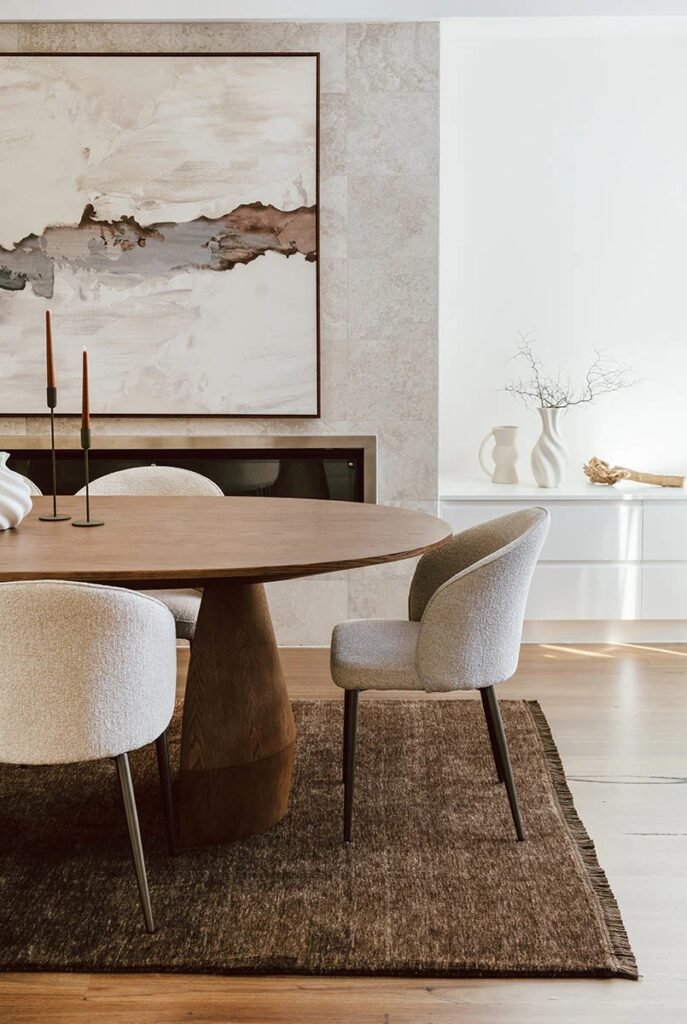
Interior design today is a dynamic blend of history, culture, and innovation. Rather than following a single style, modern interiors are inspired by a variety of global influences that bring depth and authenticity to living spaces. From the expressive qualities of Folk art to the refined elegance of Art Deco, each design movement contributes to a richer and more meaningful environment.
At its core, Folk art represents the cultural heartbeat of communities. It is deeply rooted in tradition, often expressed through handmade objects, intricate patterns, and vibrant colors. Incorporating Folk art into interiors introduces a sense of identity and storytelling that cannot be replicated by mass production. Alongside this, Vernacular design emphasizes the importance of local materials and climate-responsive architecture. Vernacular spaces are practical, sustainable, and inherently connected to their surroundings, making them highly relevant in contemporary design.
In regions defined by mountains and cold climates, Alpine Design has evolved to prioritize warmth and comfort. Featuring natural wood, layered textiles, and earthy tones, Alpine Design creates inviting interiors that feel both functional and уютный. This style naturally aligns with Rural design, which celebrates simplicity and a strong connection to nature. The Rural aesthetic is increasingly sought after as people look for ways to create शांत and grounding environments within their homes.
A defining element of these traditional styles is Rustic Furniture, known for its raw textures and handcrafted appeal. Each piece of Rustic Furniture carries a sense of authenticity, often showcasing natural imperfections that add character. In modern interiors, such furniture serves as a focal point, balancing sleek, contemporary elements with warmth and tradition. Companies like goldwoodbyboris have embraced this approach, offering designs that merge timeless craftsmanship with modern functionality.
Philosophical influences also play a significant role in shaping interior design. The work of Dom Hans van der Laan highlights the importance of proportion and spatial harmony. His ideas focus on creating balance through mathematical precision, offering a structured approach to design. In contrast, the Japanese philosophy of Wabi Sabi embraces imperfection and transience. By incorporating Wabi Sabi principles—such as natural materials and understated aesthetics—designers can create spaces that feel authentic and deeply personal.
The evolution of design in the 20th century introduced movements that continue to influence interiors today. The Amsterdamse School is known for its expressive architecture and artistic detailing, combining creativity with functionality. This movement helped pave the way for Art Deco, which brought glamour, bold geometry, and luxurious materials into the design world. Art Deco remains a timeless style, often used to add sophistication and visual interest to modern interiors.
As modernism gained momentum, Mid-Century Design emerged as a defining aesthetic. Characterized by clean lines, functional forms, and minimal ornamentation, Mid-Century Design focuses on simplicity and efficiency. Its timeless appeal lies in its versatility, allowing it to blend seamlessly with both traditional and contemporary styles. This adaptability has made Mid-Century Design a staple in modern homes and offices alike.
Meanwhile, Brazilian Design offers a fresh and vibrant perspective on interiors. Known for its use of organic shapes, innovative materials, and cultural influences, Brazilian Design brings energy and creativity into spaces. It often combines traditional craftsmanship with modern techniques, resulting in designs that are both functional and artistic. This fusion reflects the global trend of celebrating heritage while embracing innovation.
Modern interiors are no longer about strict rules but about creative expression. By blending elements from Folk art, Vernacular, and movements like Art Deco and Mid-Century Design, designers can create spaces that are unique and meaningful. This layered approach allows homeowners to reflect their personality while maintaining a sense of harmony and balance. Brands such as goldwoodbyboris are leading this movement by offering designs that seamlessly integrate tradition with modern aesthetics.
In conclusion, the influence of global design movements continues to shape the way we experience our living spaces. Whether it’s the warmth of Rustic Furniture, the philosophy of Wabi Sabi, or the elegance of Art Deco, each style contributes to a more enriched and thoughtful interior. By embracing these diverse inspirations, we can create spaces that are not only visually stunning but also deeply connected to culture, history, and human expression.