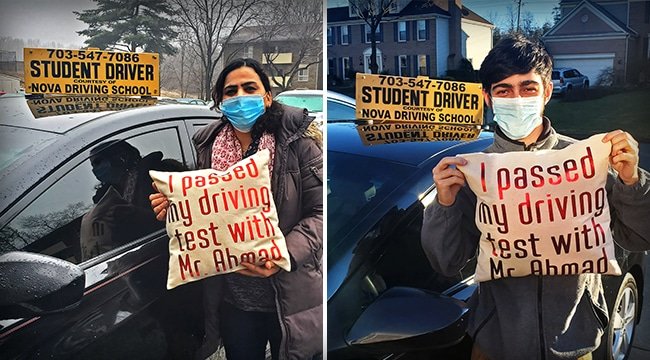
Learning to drive is a life-changing experience that brings freedom, independence, and new responsibilities. In Northern Virginia, where traffic density, road designs, and driving behaviors vary greatly by location, professional driving education is not optional—it is essential. Proper instruction helps new drivers develop the skills, awareness, and confidence required to drive safely in real-world conditions, not just pass a licensing exam.
A professional driving program focuses on long-term safety and responsible decision-making. Instead of rushing students through lessons, it emphasizes defensive driving, risk awareness, and adaptability. Well-established schools such as Nova Driving School VA aim to prepare students for everyday challenges they will face on the road, whether in suburban neighborhoods or highly congested urban corridors.
Why Localized Driving Instruction Is Essential
One of the biggest advantages of enrolling in a professional driving school is learning in familiar surroundings. Each area of Northern Virginia presents unique road conditions that demand specific driving skills.
For beginners, Driving School Aldie programs are often ideal due to calmer traffic flow and wider residential roads. These conditions allow students to focus on mastering steering, braking, and lane control without feeling overwhelmed. On the other hand, Driving School Ashburn instruction commonly includes practice near busy shopping centers, traffic signals, and commuter routes, helping students become comfortable with everyday driving scenarios.
In family-oriented communities, Driving School Broadlands and Driving School Stone Ridge programs place strong emphasis on pedestrian awareness and speed control. These neighborhoods frequently include school zones, playgrounds, and shared roads, making patience and caution critical skills for new drivers. Learning to anticipate pedestrian movement and obey residential speed limits helps prevent accidents and promotes community safety.
Developing Skills for Town Centers and Mixed Traffic
Town centers require drivers to be especially alert. Driving School Leesburg training often focuses on navigating historic streets, narrow lanes, and frequent intersections. Students learn how to manage space, follow signage carefully, and remain attentive in areas with high pedestrian activity.
Urban driving demands even greater focus and discipline. Driving School Arlington County programs are designed to prepare students for dense traffic, public transportation interactions, and complex intersections. Professional instruction in these environments teaches drivers how to anticipate sudden stops, yield appropriately, and maintain composure in high-pressure situations.
Confidence Building on Busy Roads and Highways
Northern Virginia is known for its heavy commuter traffic and multi-lane roadways. Driving School Manassas programs typically include experience on commercial roads, busy intersections, and varying speed limits. Exposure to these conditions during training helps students build confidence and make sound decisions when driving independently.
Similarly, Driving School McLean instruction often emphasizes defensive driving techniques in fast-moving traffic. Students practice safe merging, maintaining proper following distances, and executing smooth lane changes. These skills are essential for minimizing risk and reducing stress on major roadways.
For drivers in quieter or semi-rural areas, Driving School Round Hill lessons provide valuable experience on winding roads, changing elevations, and limited-visibility situations. These conditions teach drivers to stay alert, manage speed carefully, and anticipate unexpected obstacles, all of which are critical for safe driving beyond city limits.
Meanwhile, Driving School Manassas Park programs offer a balanced approach by combining residential driving with exposure to busier commercial areas. This helps students become comfortable driving both close to home and in unfamiliar locations, increasing their overall adaptability.
Key Elements of a Professional Driving School
Choosing the right driving school requires careful evaluation. A professional program is defined by certified instructors, structured lesson plans, and a strong commitment to safety. Experienced instructors understand that every student learns at a different pace and adapt their teaching methods to build confidence gradually.
A comprehensive curriculum blends classroom education with behind-the-wheel practice. Topics such as traffic laws, road signs, right-of-way rules, and defensive driving strategies should be reinforced during real driving sessions. This approach ensures students can apply theory directly to real-world situations.
Vehicle safety is another critical factor. Modern, well-maintained vehicles equipped with dual controls provide a secure learning environment for students and instructors alike. Clear communication, flexible scheduling, and transparent pricing further demonstrate a school’s professionalism and dedication to quality education.
Institutions like Nova Driving School VA recognize that driver education is about shaping responsible drivers, not just issuing licenses. By focusing on awareness, patience, and defensive driving, they help create safer roads and more confident drivers throughout Northern Virginia.
Conclusion
Professional driving education is an investment in safety, confidence, and lifelong responsibility. Northern Virginia’s diverse road conditions require instruction that is locally informed, thorough, and professionally delivered. From quiet residential streets to busy urban centers, quality driver training equips students with the skills needed to navigate any environment safely. By choosing a professional driving school that prioritizes real-world experience and responsible driving habits, students gain knowledge and confidence that will benefit them—and everyone else on the road—for years to come.